Eat well to live well was coined by two psychologists and it simply means that people absorb the characteristics of the food they eat. That is, we are what we eat.
Incidentally, human beings eats a lot of food. According to research findings, a typical human being eats over a thousand pounds of food each year. This is understandable. Every second, millions of physiological and chemical processes go on in the human body to maintain good health for it. The processes include creation of heat, building muscles, growing hair, nails, fat tissues, bones etc. All these processes going on, including daily maintenance of the active organs of the body, needs some sort of fuel to carry on. This fuel comes from the foods and drinks we consume.
Moreover, the building block of a human body depends largely on protein. Proteins are required in large quantities because without it the body cannot grow maximally. These proteins are used by the body in different ways. When you are growing, for example, you are indirectly adding new building blocks to your body and the body is also repairing itself i .e taking out old blocks and replacing them with new ones.
As mentioned earlier, food is the primary source of fuel for the body, this fuel is measured in calories. Sadly, however, today’s society is characterized by excessive consumption of calories from all kinds of junks we call food.
Calories are everywhere these days with the ever increasing spate of fast food joints being open in every nook and cranny of our society. The trend noticed especially with working class and business people is that they have little or no time to cook real meals for their families, so they resort to these joints.
To further compound the problem is the fact that most of the new products coming into the market are mainly candies, snacks, baked foods, soft drinks, ice creams and similar items, immediately these products finds their ways to the store or supper markets, various advertisements floods the mass media portraying them to be wonderful and healthy. A lot of money is normally spent on advertising these products yearly not minding the harm done to the consumers.
A critical analysis of a single peanut shows that it contains about 12 calories. A sizable snack, most times contain about 500 calories. Meanwhile, most children need less than 1500 calories per day. This explains why obesity has become a problem today all over the world, particularly among very busy, always on the go families who frequent junk food joints. Unless an individual is very careful, one may unknowingly take in much more calories than is needed for the body’s use and when there are excess calories they can lead to serious health problems.
WHAT TO EAT

We must be conscious of what we eat because our bodies suffer and we will eventually pay the price if we feed it with the wrong kinds of food (fuel). We need to eat a diet rich, in what is called “living foods” that consist mainly of raw foods such as vegetables and fruits (whether juiced of not). These raw foods produce living fuel, which in turn reproduces living cells for a healthy body.
For effectiveness, the ratio for preparing our daily meals should be 85:15. This presupposes 85% of living foods and 15% of cooked foods.
God grew all manner of nutritious fruits and vegetables for man for food. These raw foods contain nutrients to nourish the physical of a man and there is an impetus in man that naturally draws man to such foods
However for cooked foods, one can enjoy a variety of foods such as cereals, brown bread and other grain product apart from vegetables and fruits. It’s advisable to cook food fresh from the garden or farms. Food fresh from the farm is more nutritionally balanced. Processed foods lack the much needed fibres and roughages that help to protect us from certain deadly diseases. Processing food to the point of canning does three negative things to the finished product
- It adds calories
- It subtracts nutritional values
- It introduces myriads of chemical additives.
You may also choose to cut down on your refined sugar intake and other sweeteners. Sugar adds to our weight gain and it’s attendant diseases. Salt is a little member in every meal. As little as the quantity used each time appears, it is often too much in comparison with the quantity the body requires. So, deliberately reduce even the small quantity you use in your meals.
High calorie starchy foods like “foo foo”, pounded yam and semovita, should be taken only when we have opportunity to burn them off through physical labour or exercise. A diet rich in protein is good but avoid red meat and diary products as you are ageing. Remember that too much of anything is bad.
As already pointed out, snacks are junk foods and should be avoided as much as possible.
A team of expert nutritionist have summarized the forgoing tips thus:
Choose a variety of foods from all food groups every day.
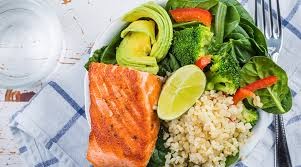
Change the items included in your diet every day. This is an excellent way of keeping deficiency diseases at Bay and it helps you to experiment with a variety of dishes and thereby you do not get bored of your diet.
Fresh vegetables are better than cooked or canned vegetables.
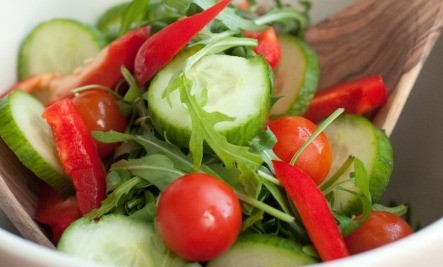
Try to eat your vegetables raw. When you cook them, you are in fact taking away nearly half the vitamins in them.
Not more than an egg a day.

Eggs are not such a bright idea. It would be best to reduce your intake of eggs to maybe thrice a week. But for those who are so fond of eggs, they may have up to one egg a day but nothing more than that. Also, when you do eat eggs, just eat the white part, the yolk is full of cholesterol.
Make chocolate a luxury and not a routine.
Chocolate are not or at least they should not be a part of your diet. So do not indulge too much in them.
50 to 60% of your diet should be Carbohydrates.
It is a myth that you should try and avoid Carbohydrates when you are on diet. Carbohydrates are a ready source of energy and so 50 to 60% of your diet should be Carbohydrates, just stay away from bad carbs, like white bread and candy. (Have whole-grain bread instead).
15 to 20% of your diet should be proteins.
Various processes and activities are going on in our bodies. Things are broken down and being built up again. Resistance has to be built up, recovery from diseases too is needed and for all this, the body needs plenty of proteins. So see to it that 15 to 20% of your diet consists of proteins.
Fats should be about 20 to 25%.
You need only this much of fat in your diet, so keep it at that. Stay away from saturated fats. Try to consume mono unsaturated fats such as walnuts, and olive oil, which can actually lower your cholesterol.
Stay away from fried food.
Fried foods are an absolute no-no. The more fried things that you avoid, the less weight you will gain. Fried things are called so because they are fried in oil or fat. And even if the external oil is drained away, there is still a lot of hidden oil in it so stay away from it.
Instead of frying things try baking them without fat.
Baking is by far a healthier method of preparing food than frying, baking requires less oil or fat.
Go easy on tea and coffee.
Tea and coffee are harmless by themselves. It’s when you add the cream and sugar that they become fattening.
Quit snacking between meals.
Do not fall for snacks in between meals. This is especially true for those who have to travel a lot. They feel that the only time they can get a bite to eat is snacks and junk food. The main problem with most snacks and junk food is that they are usually less filling and contain a lot fat and calories.
Snack on vegetables if you must.
You might get the pangs of hunger in-between meals, but it is something that you can very well control. Or even better, try munching on carrots. They are an excellent way to satisfy those cravings and are good for your eyes and teeth.
Stay away from sweetened drinks especially sodas.
All those colas and fizzy drinks are sweetened with sugar and sugar means calories. The more you can cut out on these sweetened bottle drinks, the better for you. Plus, soda contains phosphoric acid which can drain calcium from your bones and contribute to bone loss.
Include in your diet things that contain more water like tomatoes and watermelon.
These things contain 90 to 95% water so that there is nothing that you have to lose by feasting on them. They will fill you up without adding to the pounds.
Eat fresh fruit.
Fresh fruits have natural sugar. When you eat fruit, you are taking in a lot of fiber, which is needed by the body, and fruits of course are excellent source of vitamins.
Fresh fruit juice.
If you do have a craving for fruit juice, then go for fresh fruit juice instead of those that contain artificial flavours and colours. Or even better, try making your own fruit juice taking care not to sweeten it with too many calories.
Choose white meat rather than red.
White meat, which includes fish and fowl, is better than red meat, which includes beef and pork, especially for those trying to lose weight.
High fiber, multi grain breads, are much better than white breads.
It is not only better in terms of the fiber content but also in terms of the protein content as well.
Eat foods in season.
The reason many people don’t love certain fruits or vegetables is because they eat them out of season when they have little taste or flavour. When you eat seasonally, friuts and vegetables are more palatable and enjoyable.
In conclusion,
“Health is wealth, life is more good and enjoyable when we are healthy.”
For more information on diet and healthy living, you may also consult your dietician.



 Nutritionalfacts.com